
Trade Shows
Apr. 08, 2026
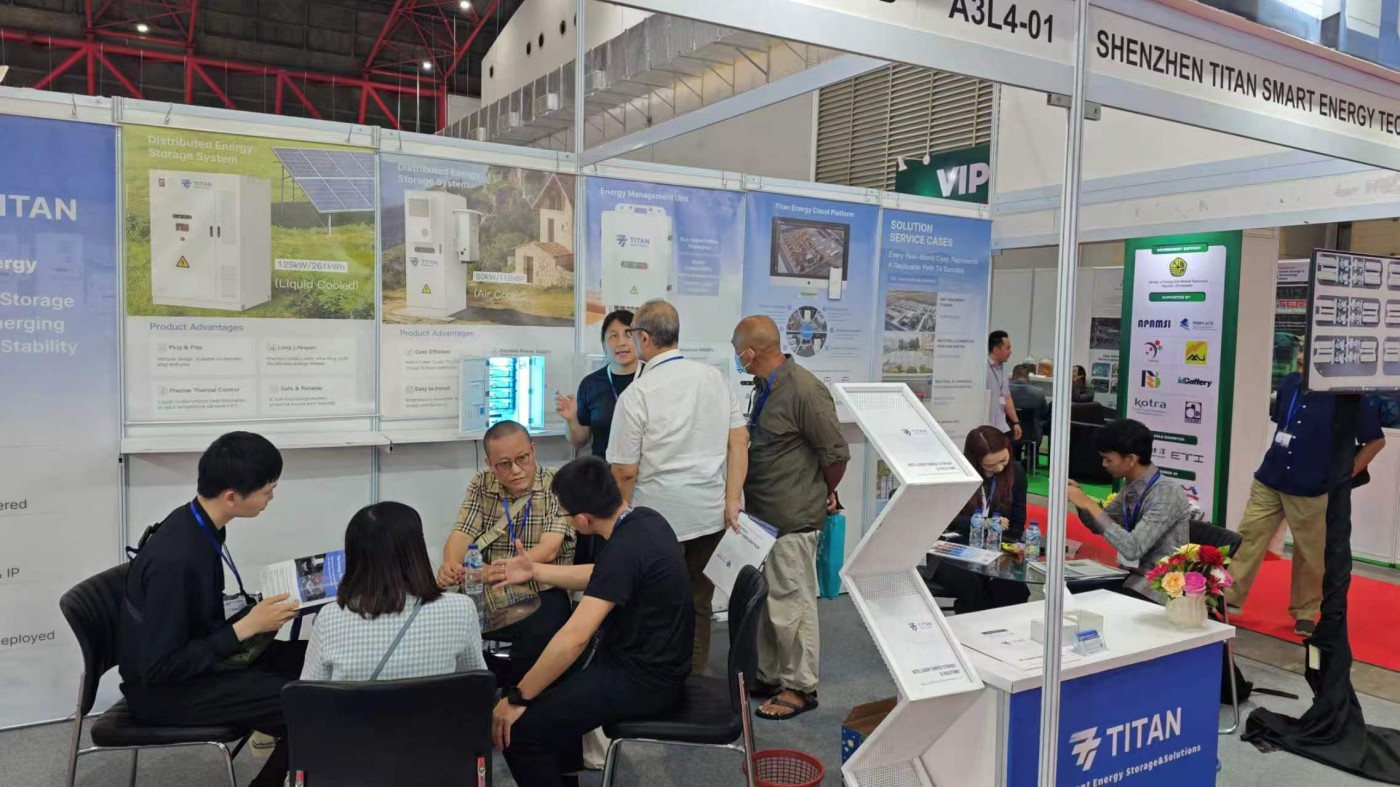
From April 22 to 24, 2026, the 11th Solartech Indonesia was grandly held at the JIExpo Kemayoran in Jakarta. As the most influential industry event in Southeast Asia's photovoltaic and energy storage sector, this year's expo brought together over 1,000 exhibitors from around the globe, spanning an exhibition area of 30,000 square meters.
Titan Smart Energy made a strong appearance at the event, showcasing its core energy storage products and energy management systems. The company also joined forces with global industry partners to explore the opportunities and challenges within Indonesia's new energy market.
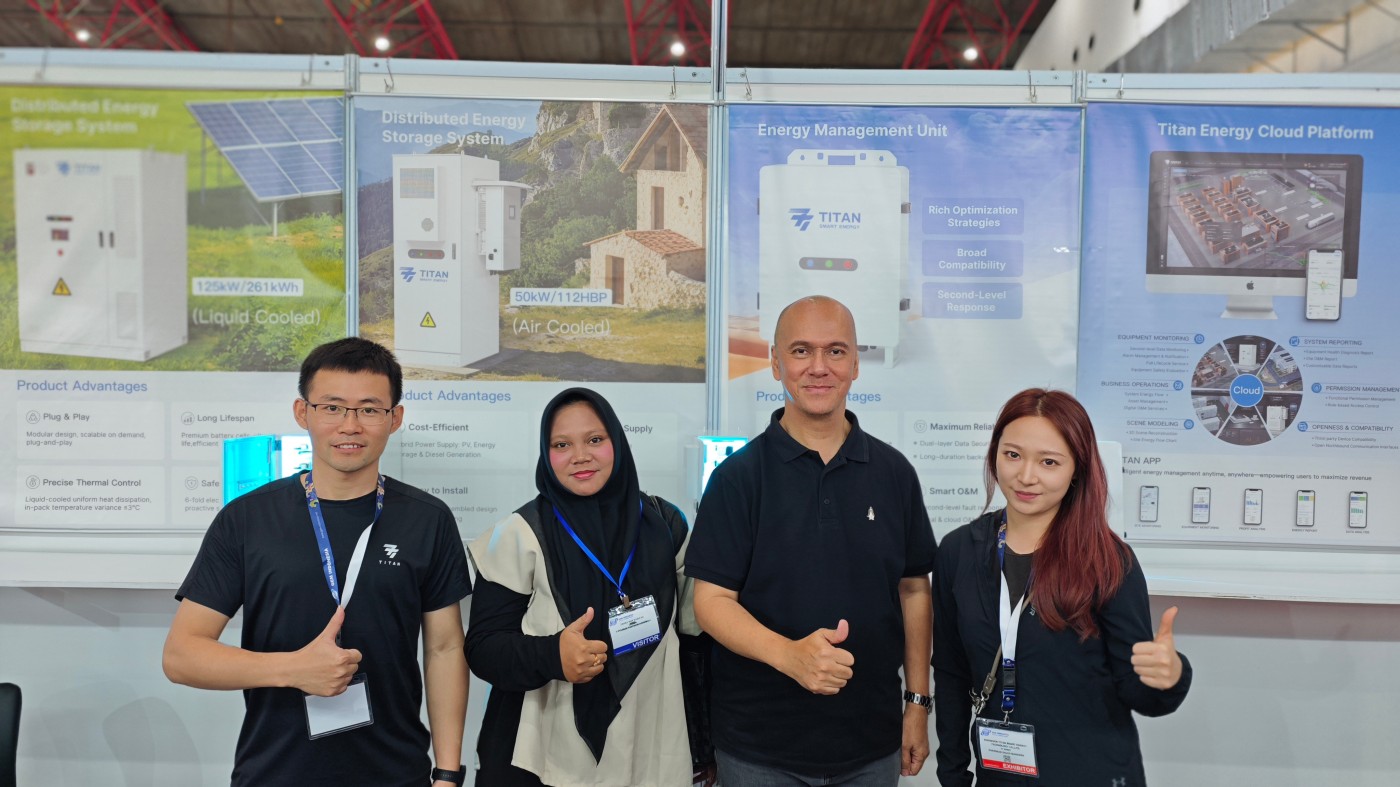
Deep Dive: The True Picture of Indonesia’s Energy Storage Sector
Indonesia is blessed with abundant solar resources, boasting an average annual solar radiation of 4.8 kWh/m²/day. The government has also set clear targets: achieving 5.3 GW of installed PV capacity by 2030 and reaching net-zero emissions by 2060. However, following in-depth research, the Titan Smart Energy team discovered that the true landscape of Indonesia's energy storage market is far more complex than it appears on the surface.
Currently, the Indonesian market has a basic understanding of the solar PV industry, with enterprises and EPC contractors showing high acceptance of PV businesses. Yet, there is a severe lack of awareness in the commercial and industrial and utility-scale energy storage sectors, meaning a mature market system has yet to take shape. Looking at power consumption scenarios, Indonesia's core regions enjoy a stable power supply and low C&I electricity rates. Consequently, there is virtually no demand for C&I energy storage retrofits or supporting infrastructure, leaving the C&I market largely untapped. In contrast, residential electricity rates are directly tied to power consumption capacity. As electric vehicles and household appliances become increasingly popular, residential power loads continue to rise. Residential electricity costs have now surpassed C&I rates, creating prime conditions for the development of the residential market.
On the policy front, Indonesia's power resources are exclusively managed by the state-owned utility, PLN. This year, the country officially relaxed regulations on residential solar PV installations, making residential solar and ESS the most promising and easily implementable track in the current market.

Strategic Positioning: Focus on Residential PV-ESS, Cautiously Deploy Large-Scale Power Stations
Based on an in-depth assessment of the Indonesian market, Titan Smart Energy has formulated a clear strategic path: focusing on residential PV-ESS as the primary entry point, prudently positioning itself in utility-scale PV-ESS projects on major islands, and refraining from aggressive expansion into the commercial and industrial ESS market for now.
Outside of core main islands like Java, Indonesia's surrounding remote islands have relatively lagging economic and infrastructure development. In recent years, a large influx of foreign-funded factories has driven a rapid surge in regional power demand. The power deficit in these non-core islands is primarily addressed through large-scale PV-ESS power plants to achieve regional independent power supply. However, advancing such utility-scale projects requires deep cooperation with PLN. Both project revenues and operations must be shared with PLN. The overall business model is mainly driven by external capital investment and power sales, relying heavily on capital commitment and local government and corporate resources. Titan Smart Energy maintains a prudent stance on this and will evaluate related opportunities at a steady and measured pace.
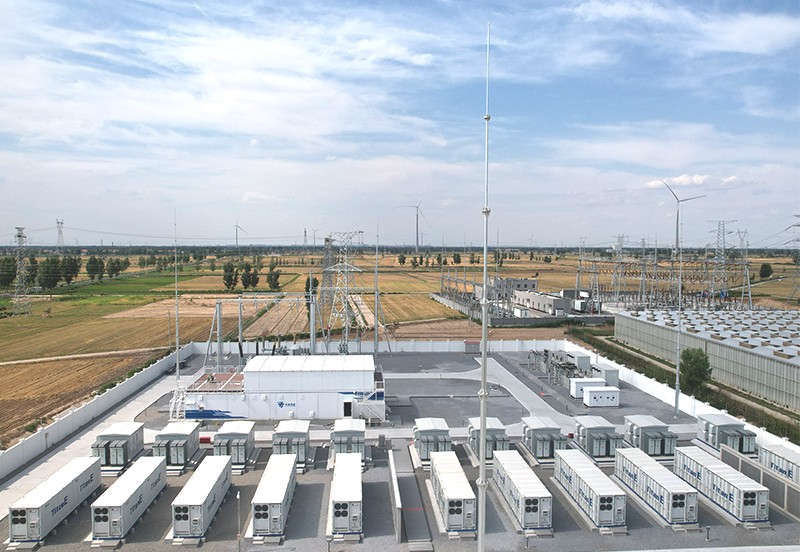
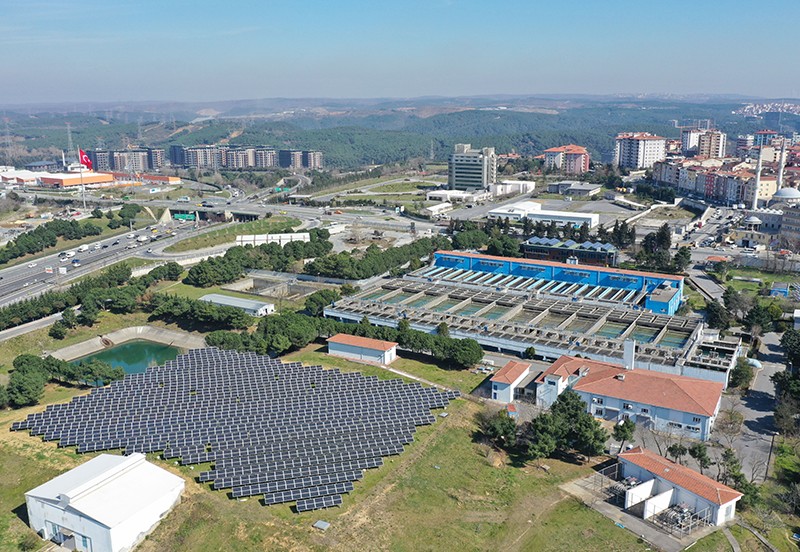
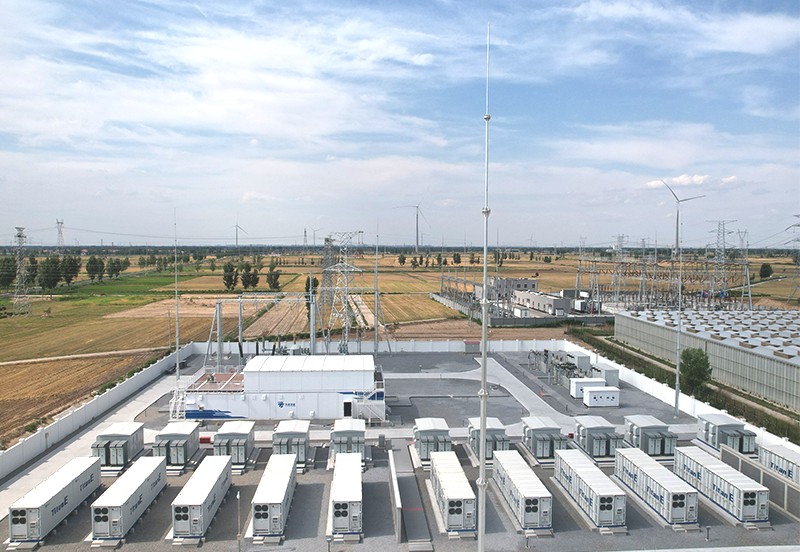
In the residential PV-ESS sector, Titan Smart Energy boasts mature products and technological reserves. Founded in 2018 as a subsidiary of the listed company Titan Wind Energy (Stock Code: 002531), the company focuses on three core technical areas: energy storage system integration, power electronics R&D, and energy asset management. The company has established a production base in Changshu with a capacity of 3 GWh and has participated in several benchmark projects, including the Shayang Zero-Carbon Industrial Park and the Ulanqab wind-storage integration project.
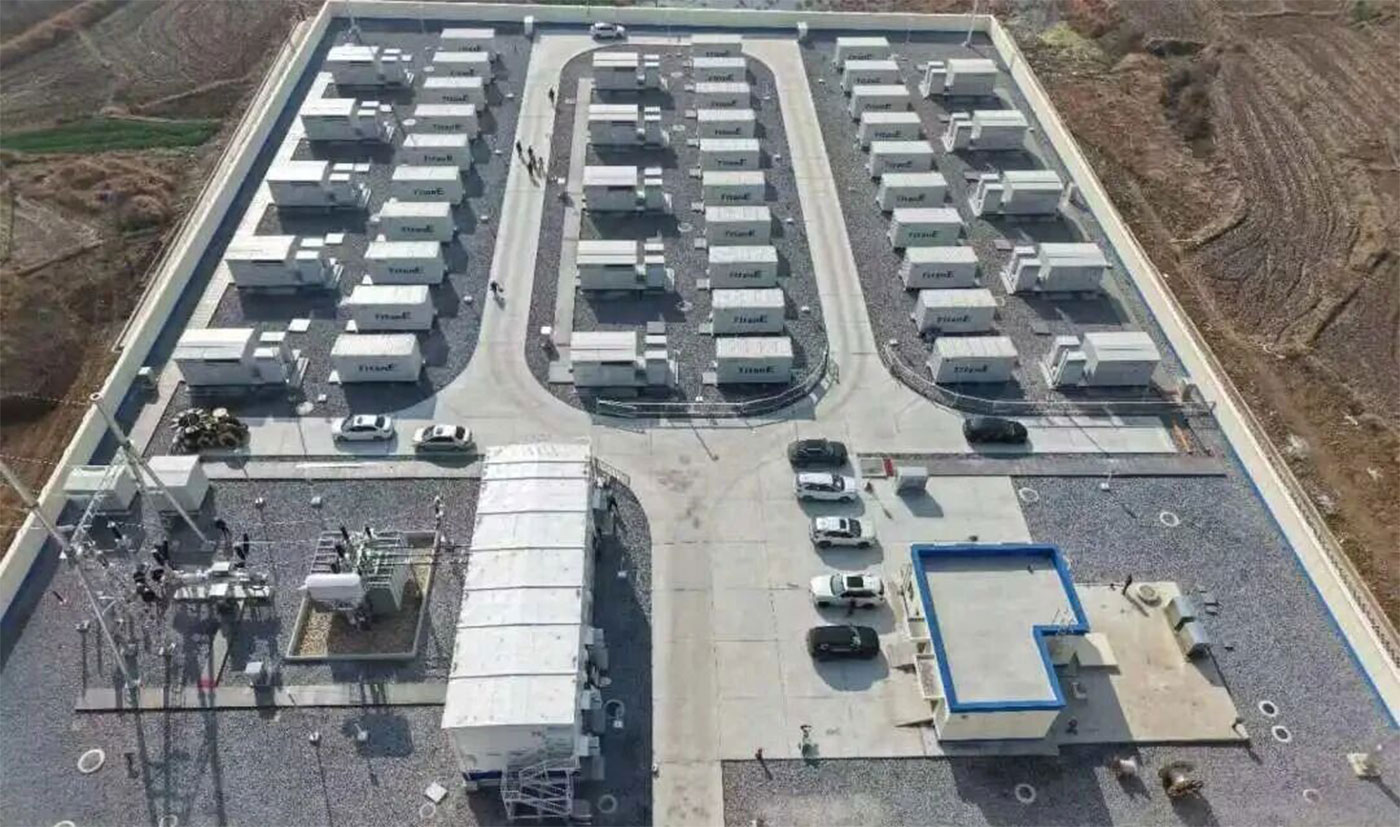
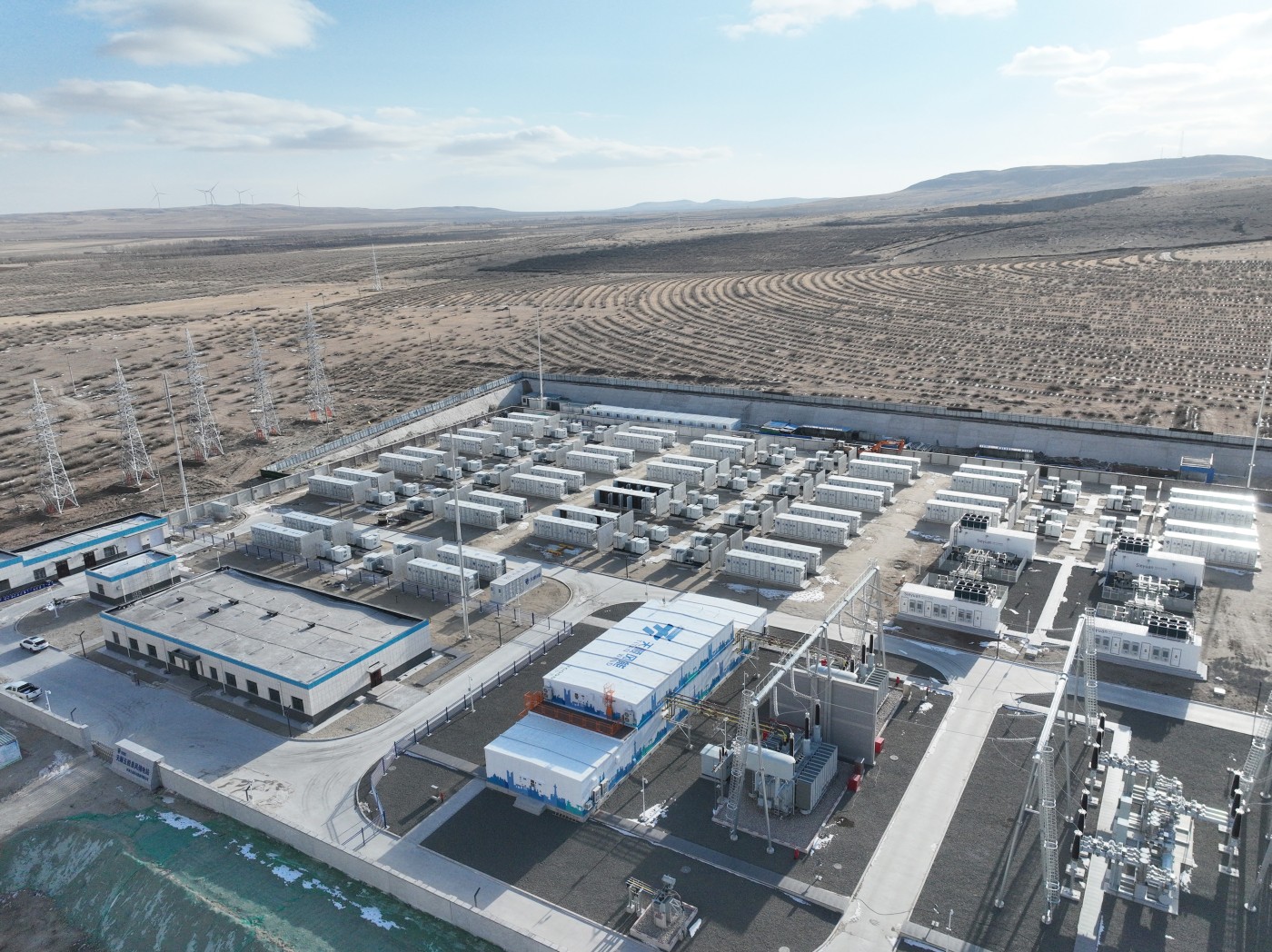
Localized Deep Cultivation: Win Trust with Sincerity
Titan Smart Energy fully understands that the Indonesian market is not one where a "quick win" is possible. The threshold for local implementation is high, making it extremely difficult for overseas companies to operate independently. To achieve long-term, deep-rooted development in the local market, it is essential to rely on compliant local entities or high-quality, reliable local partners, and to establish a comprehensive localized service system.
Regarding market access qualifications, SNI certification is a mandatory prerequisite for all engineering projects that interface with the government and connect to the PLN grid. However, for purely civilian retail and residential supporting projects, there are currently no mandatory certification requirements. Titan Smart Energy will strictly comply with local regulations and actively advance product certification and localized adaptation efforts.
From the perspective of the industrial chain, Indonesia is rich in lithium battery mineral reserves, and industrial deployment is progressing rapidly. Currently, leading battery cell manufacturers such as CATL, upstream and downstream supporting companies, and ESS integrators like Clenergy have established local manufacturing facilities. As the domestic energy storage supply chain gradually improves, the prices of energy storage integration products in Indonesia are expected to progressively align with those in the domestic (Chinese) market. Titan Smart Energy will actively integrate into this industrial ecosystem and collaborate with local partners.
Product Launch: Meet Market Demand with Technical Strength
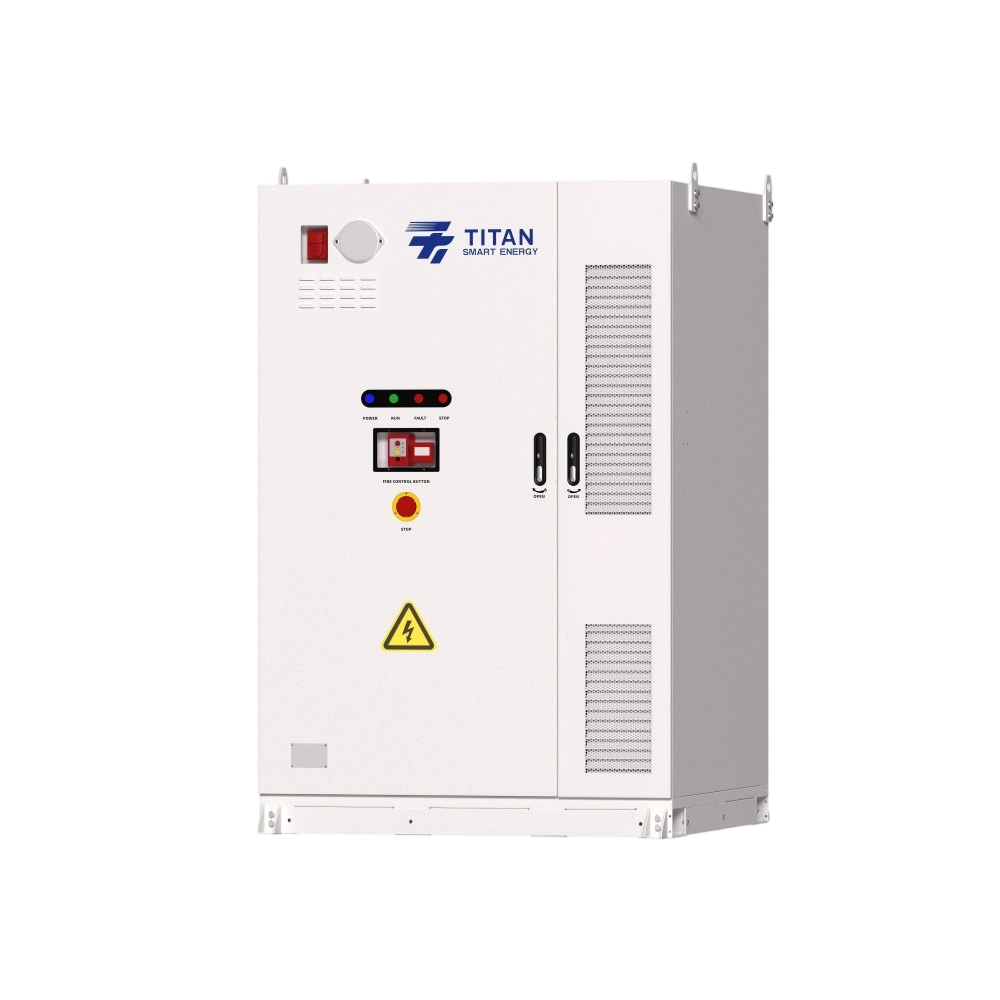
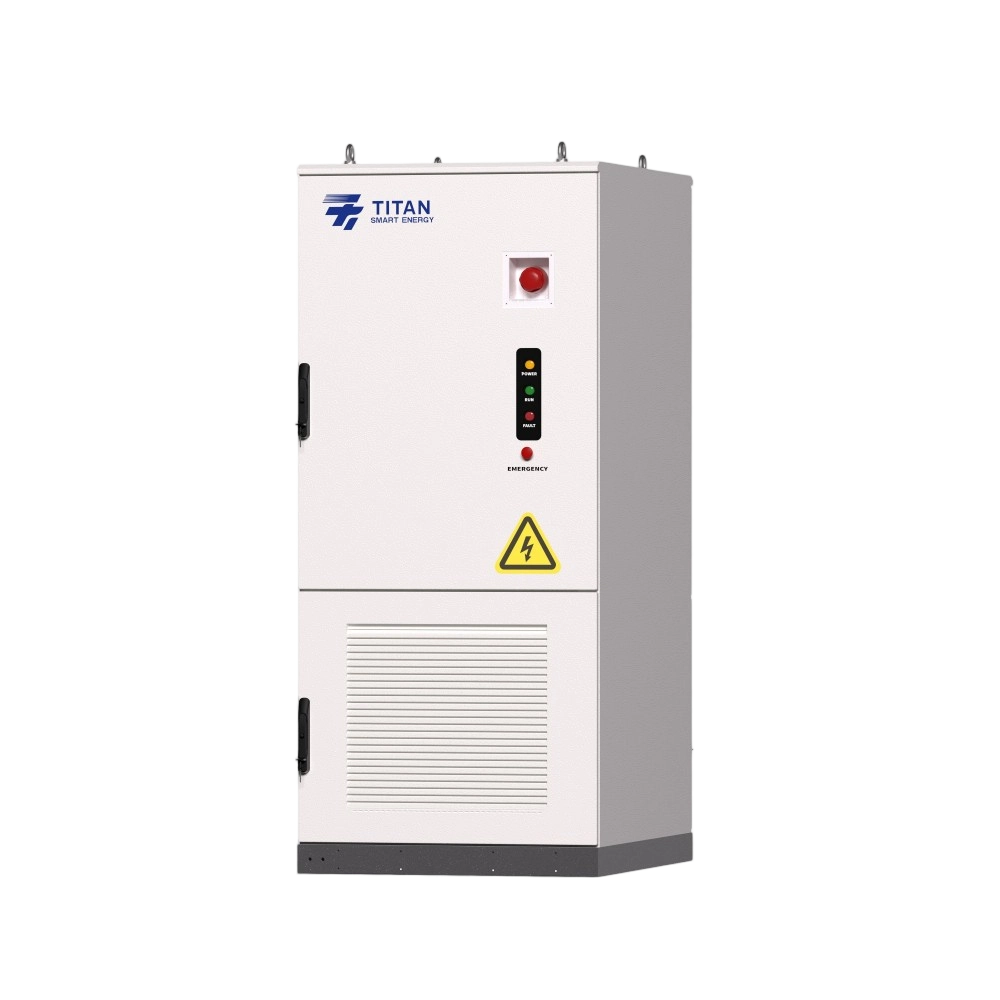
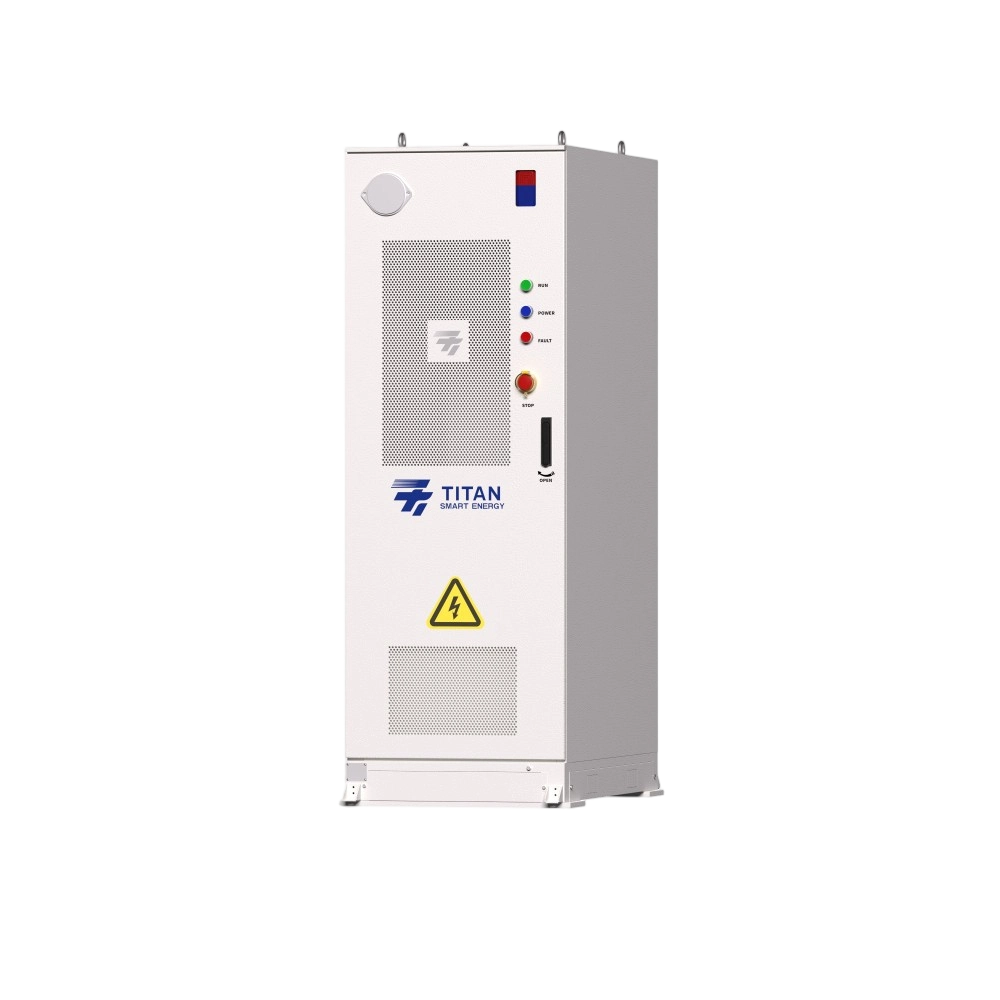
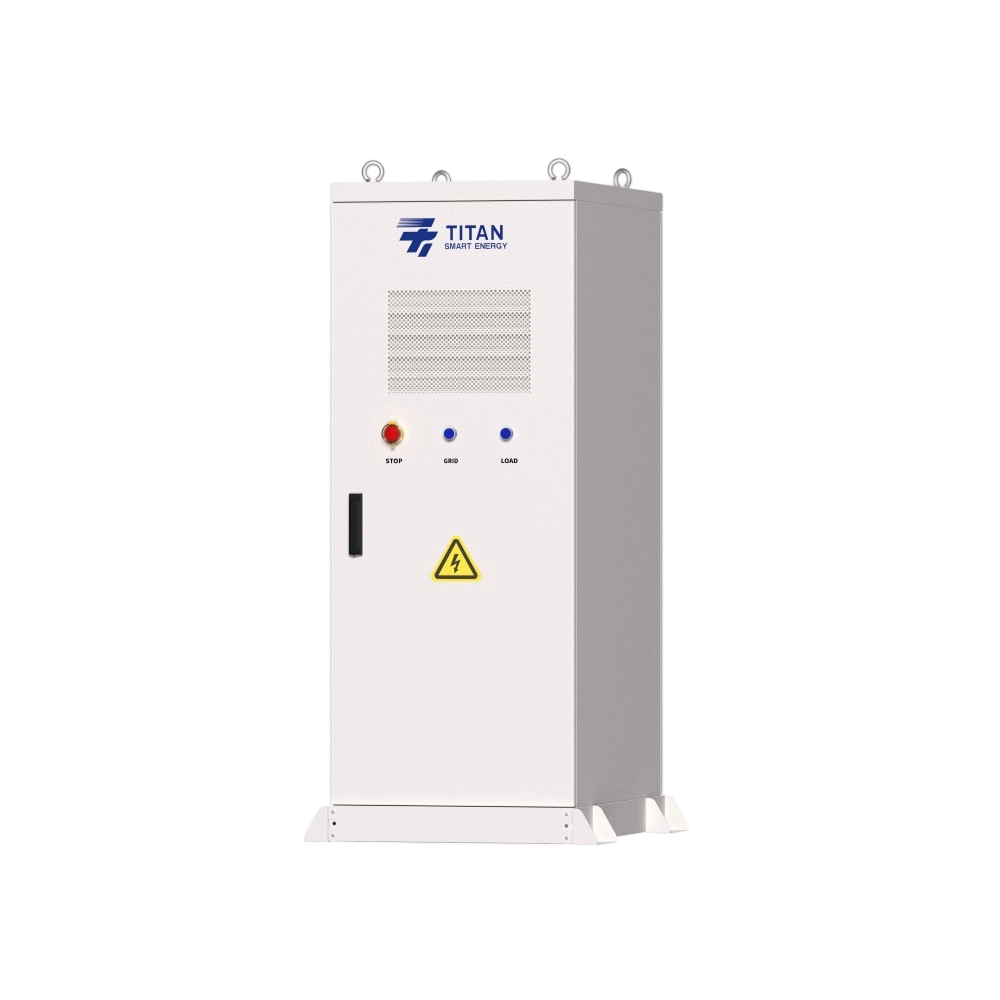
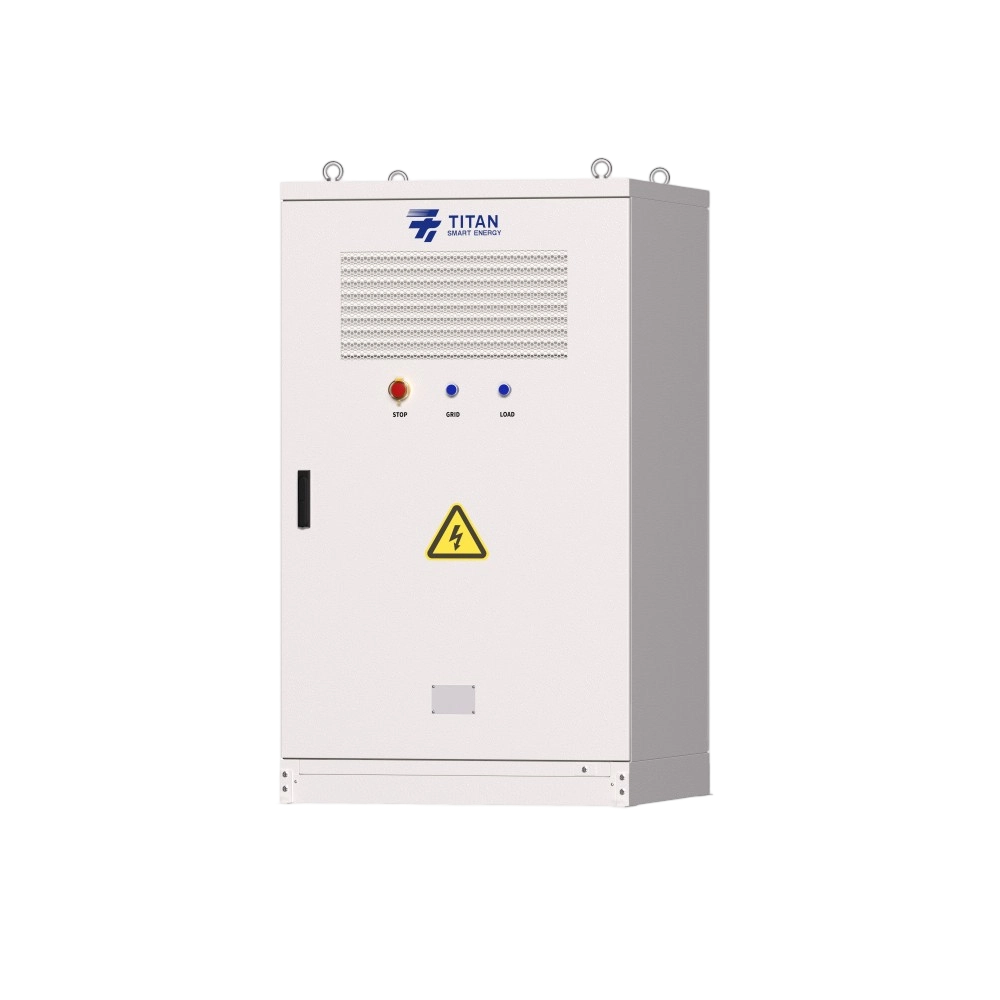
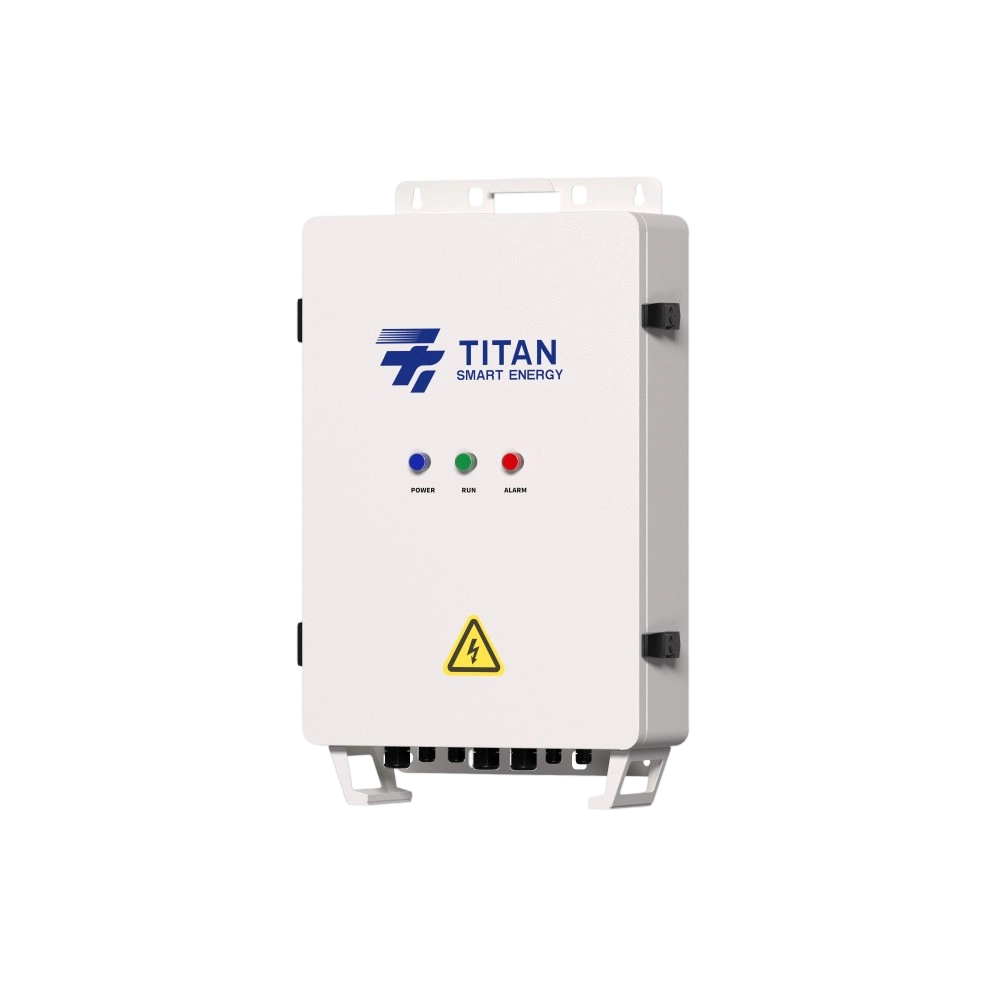
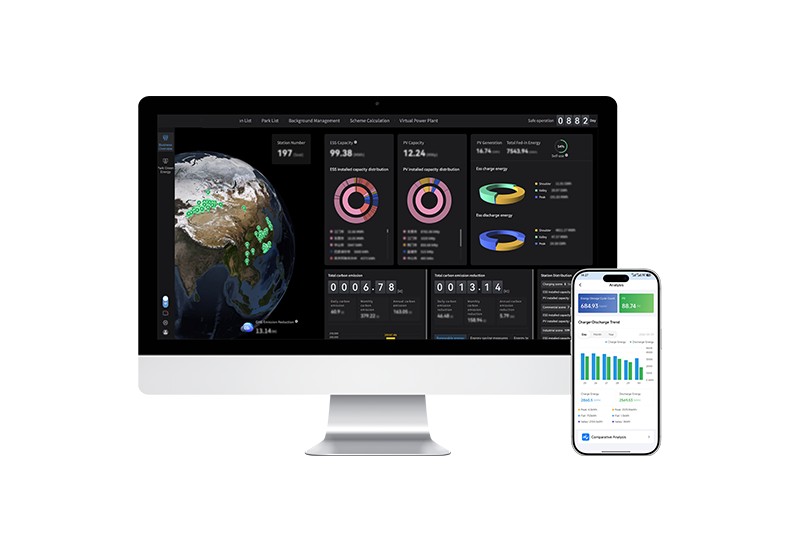
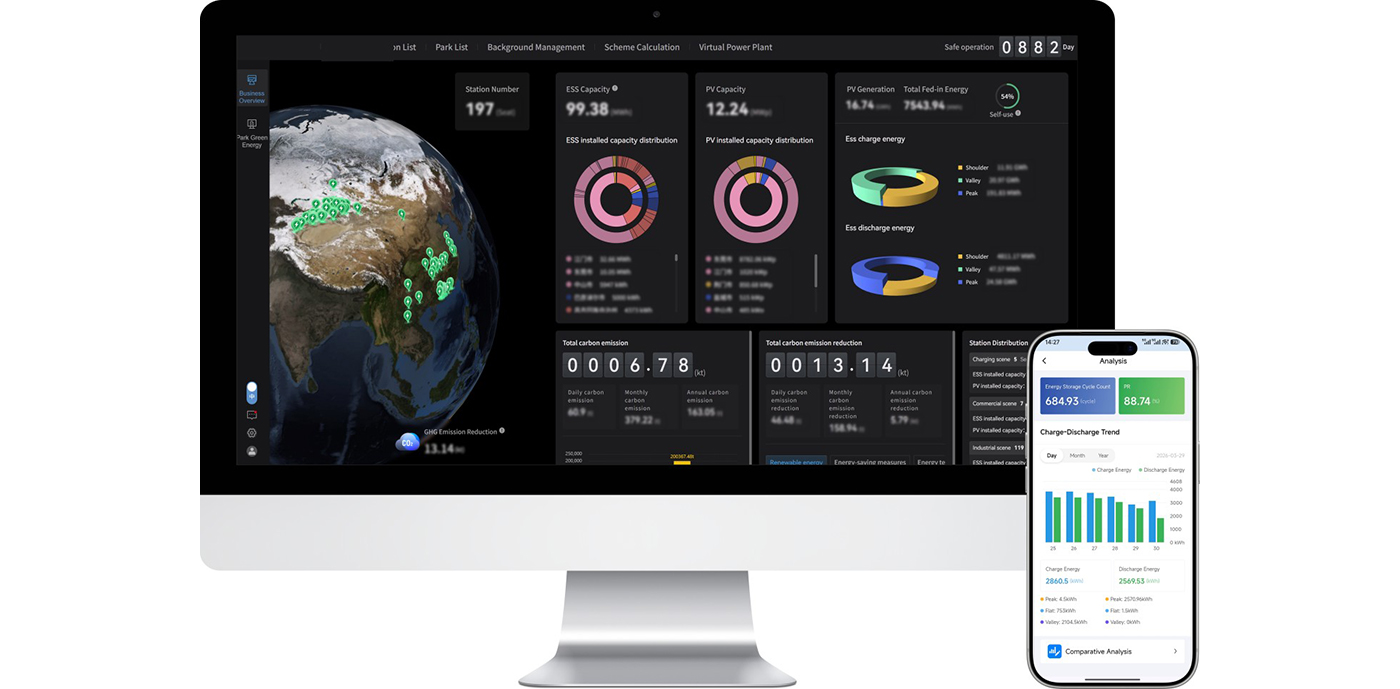
At this exhibition, Titan Smart Energy showcased its core product lineup, which includes the 261 Energy Storage Cabinet, the 120 Energy Storage Cabinet, as well as the Energy Management System (EMS) and the Energy Management Unit (EMUE). Integrating data visualization, equipment management, energy dispatch, and intelligent O&M, the EMS serves as a core component of the company's Titan Cloud management platform.
Titan Smart Energy's products feature key advantages such as a system efficiency of up to 90%, battery cells with a cycle life of over 8,000 times, and a comprehensive fire safety system (combining perfluorohexanone and water-based firefighting). These capabilities effectively meet the stringent demands for high reliability and superior safety in Indonesia's residential and island off-grid power supply scenarios.
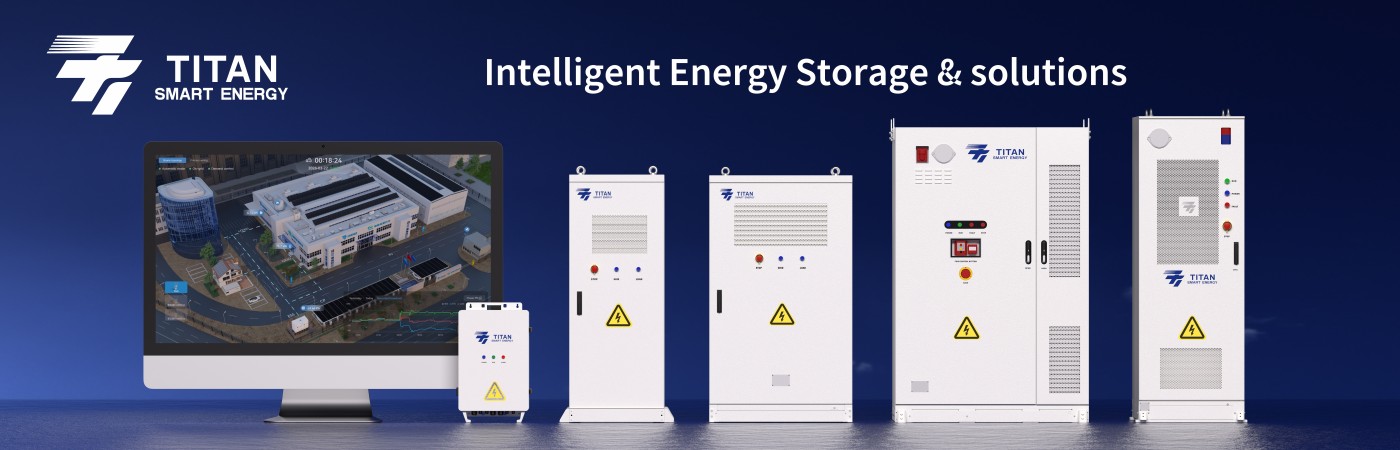
Future Outlook: Partner with Indonesia on a New Clean Energy Mission
In the short term, the Indonesian energy storage market will be primarily driven by two civilian scenarios: portable power stations and residential PV-ESS systems. This will be supplemented by large-scale power plant projects on major islands, which require capital investment and public-private cooperation. Titan Smart Energy will firmly seize the residential solar-plus-storage track, which currently offers the highest certainty. Through premium products, localized services, and a steadfast commitment to long-termism, the company will deeply engage in Indonesia's clean energy transition.
In Jakarta in April 2026, Titan Smart Energy has already taken a solid first step. Looking ahead, we will continue to deepen our roots in the Indonesian market, joining hands with local partners to contribute to a green energy future for this archipelago nation.
About Titan Smart Energy
Founded in 2018 as a subsidiary of the listed company Titan Wind Energy (Stock Code: 002531), Titan Smart Energy focuses on three core technical areas: energy storage system integration, power electronics R&D, and energy asset management, striving to become a world-leading new energy enterprise.