
Industry Insights
Nov. 02, 2026
Here is a scenario we see far too often:
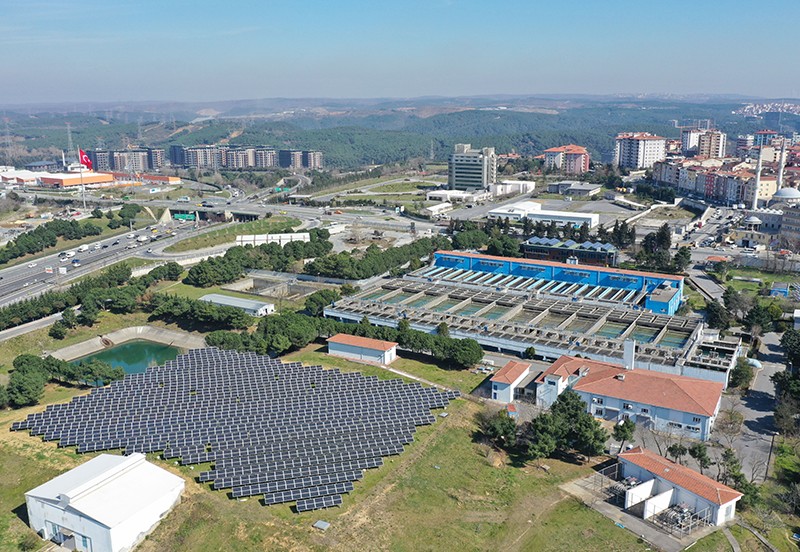
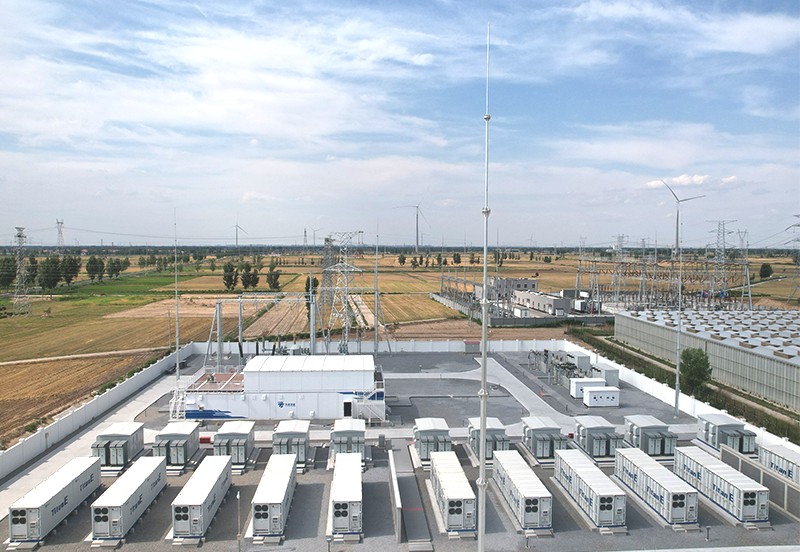
A site owner installs a large solar array, adds an energy storage system, and keeps a diesel generator on standby. On paper, it looks like a complete energy system.
But when the main grid actually fails, the site may still face power interruptions.
Why?
Because simply putting PV, batteries and generators together does not automatically create a microgrid. Without the right system architecture, coordination and control, it is still just a collection of separate assets.
Single equipment solves single issues. It cannot, by itself, deliver complete energy autonomy.
Let's look at the role of standalone systems:
Standalone PV:
Solar generation depends on available solar resources and cannot independently provide continuous power when generation is insufficient. Without coordinated storage or backup support, PV alone cannot ensure reliable power supply.
Standalone ESS (Energy Storage System):
A conventional energy storage system can support functions such as energy shifting and peak shaving. However, not every ESS is designed to operate independently and maintain a stable off-grid power system when the utility grid is unavailable.
Diesel Only:
A diesel generator can provide backup or primary power, particularly in areas with weak or unavailable grids. However, long-term operation can involve fuel costs, maintenance requirements and higher emissions.
When these assets operate in isolation, the result is fragmented energy management.
To achieve a more autonomous and resilient power system, the assets need to operate as part of one coordinated system.
A real microgrid is not simply a collection of solar panels, batteries and generators.
It is an orchestrated energy system.
The real value lies in coordination.
The system must continuously respond to questions such as:
Is solar generation sufficient for the current load?
Should surplus solar energy charge the battery?
Is the battery ready to support the load?
Should the system rely on the utility grid?
When should backup generation be started?
How should critical loads be protected during a grid interruption?
This requires PV, energy storage, the utility grid, backup generation and loads to be integrated into a coordinated operating system.
Without coordination and intelligent control, adding more hardware does not necessarily create greater energy autonomy.
This is where the real difference begins.
A stable and autonomous microgrid requires more than hardware. It requires the ability to monitor, coordinate and control multiple energy sources under changing operating conditions.
Two technology layers are particularly important.
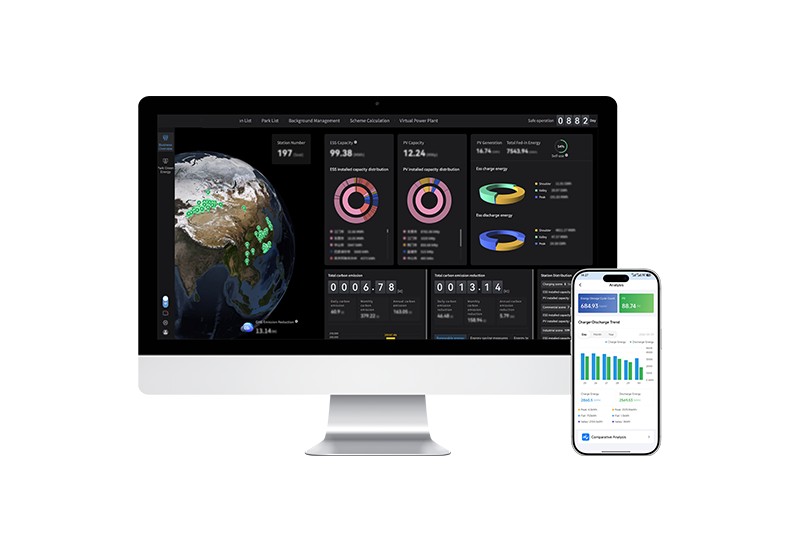
An intelligent microgrid needs continuous visibility into the operating condition of the entire system.
This can include:
Battery state of charge
Voltage and temperature
Charging and discharging status
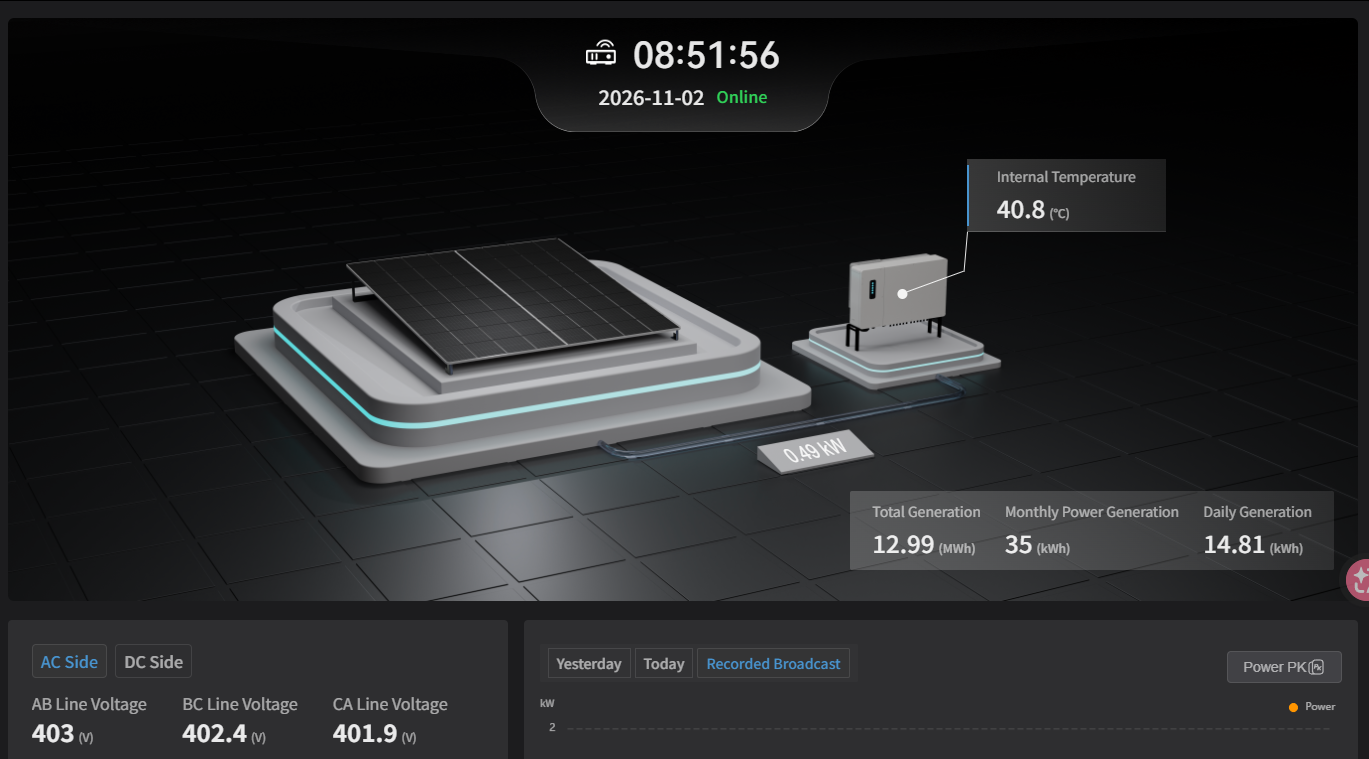
PV generation
Load demand
Equipment operating conditions
Overall power flow
At TITAN SMART ENERGY, our smart microgrid architecture combines centralized planning with distributed real-time execution.
The cloud-side EMS supports functions such as system-level optimization, remote monitoring and strategy updates, while the local controller is designed to execute control decisions and respond to changing conditions in real time.
This cloud-edge collaboration allows the system to balance higher-level optimization with local execution.
Another important consideration is operational continuity.
When communication with the cloud is unavailable, local control can continue to support autonomous operation based on locally available control logic and system conditions.
In other words, intelligence is not just about collecting data remotely.
It is about making sure the energy system can continue to respond to real operating conditions.
One of the most important differences between a conventional energy storage system and a microgrid-oriented energy storage system is what happens when the utility grid is no longer available.
In a conventional grid-following system, the energy storage system depends on an external grid reference for operation.
But in an islanded microgrid, the system needs a stable voltage and frequency reference.
This is where grid-forming capability becomes important.
When operating off-grid, energy storage does not simply "supply power"—it can help establish and maintain the electrical foundation of the microgrid.
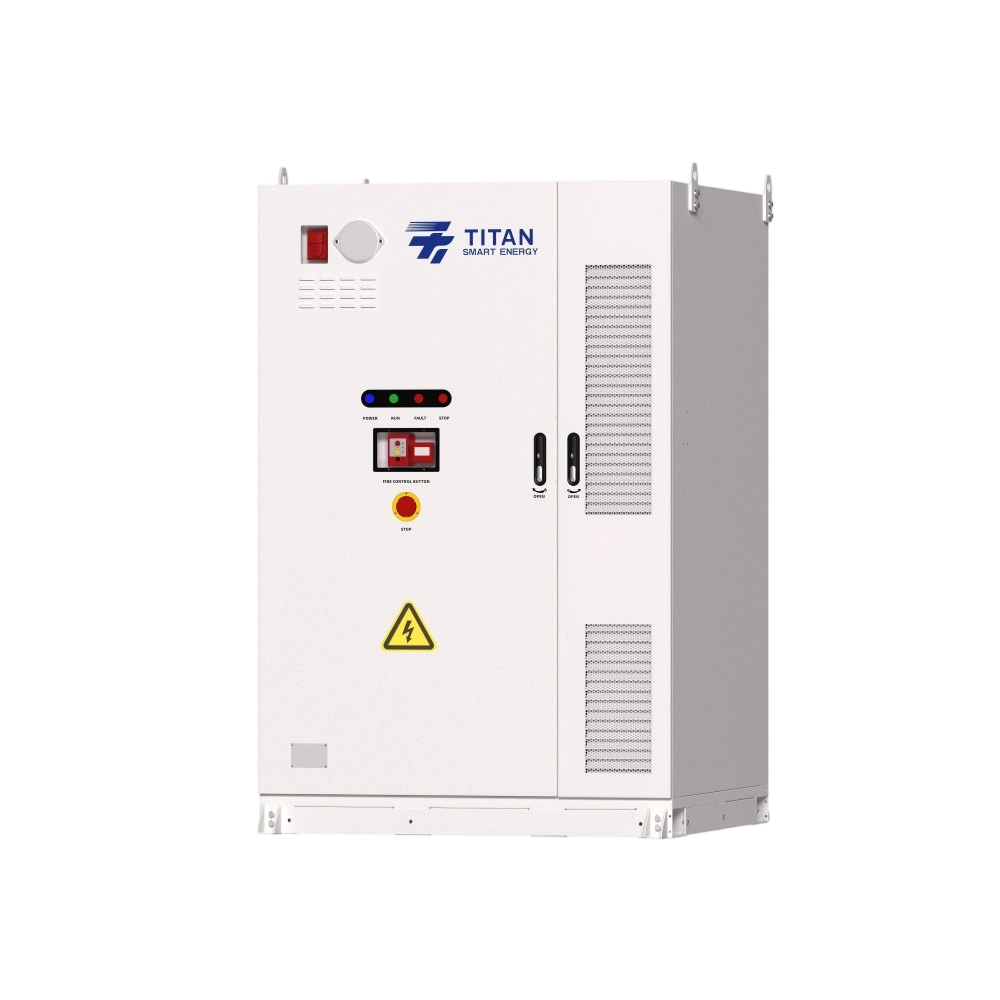
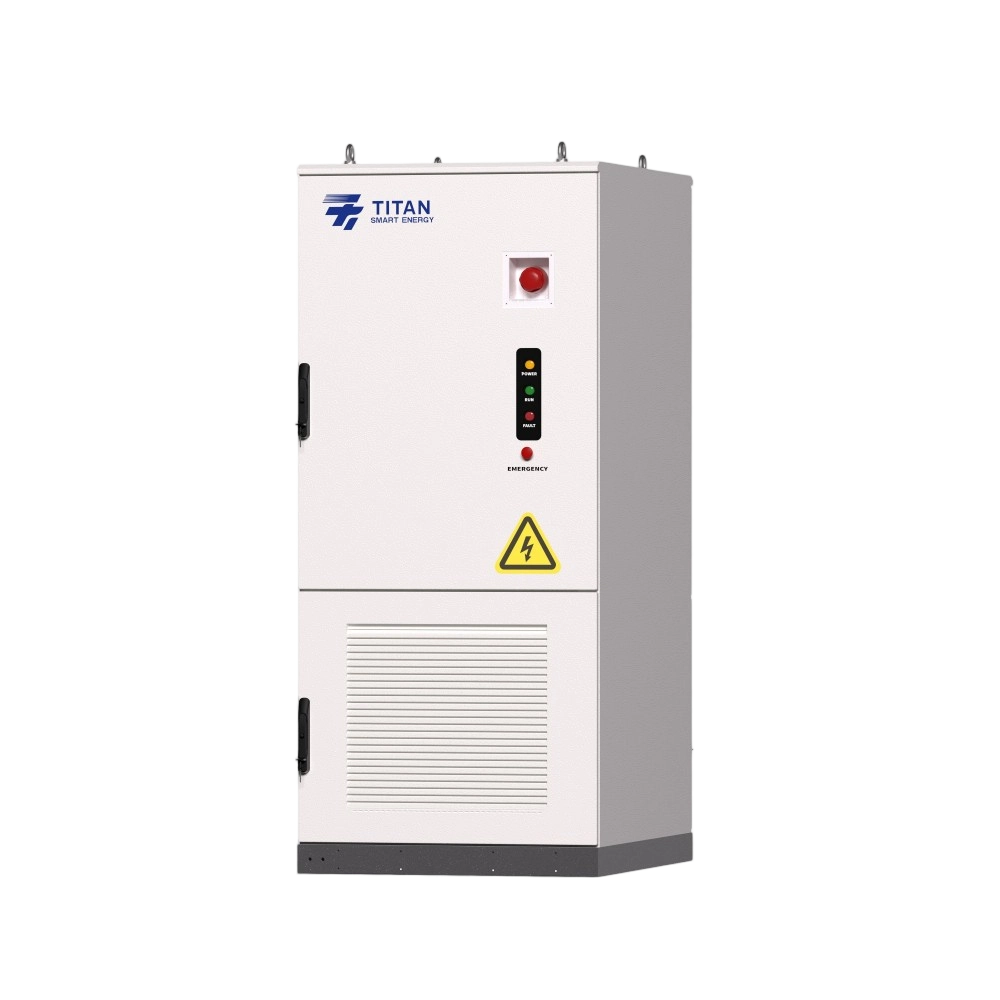
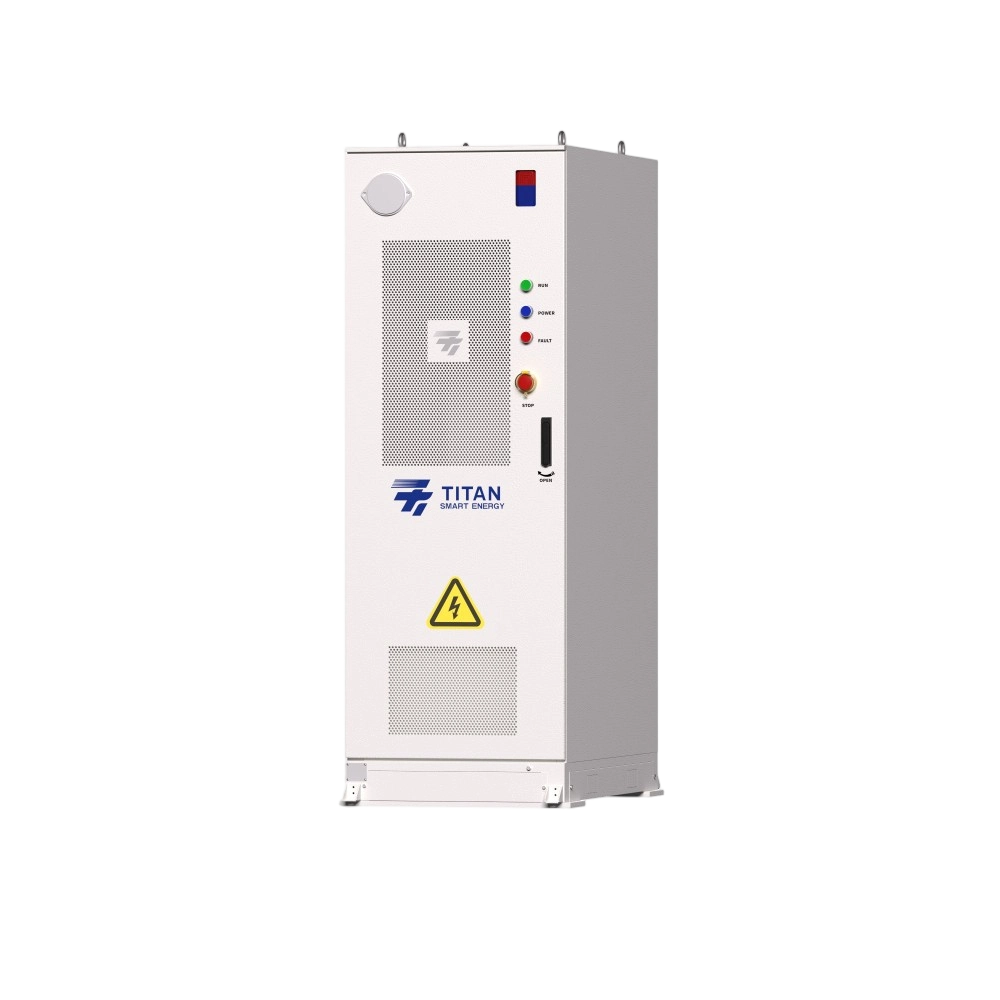
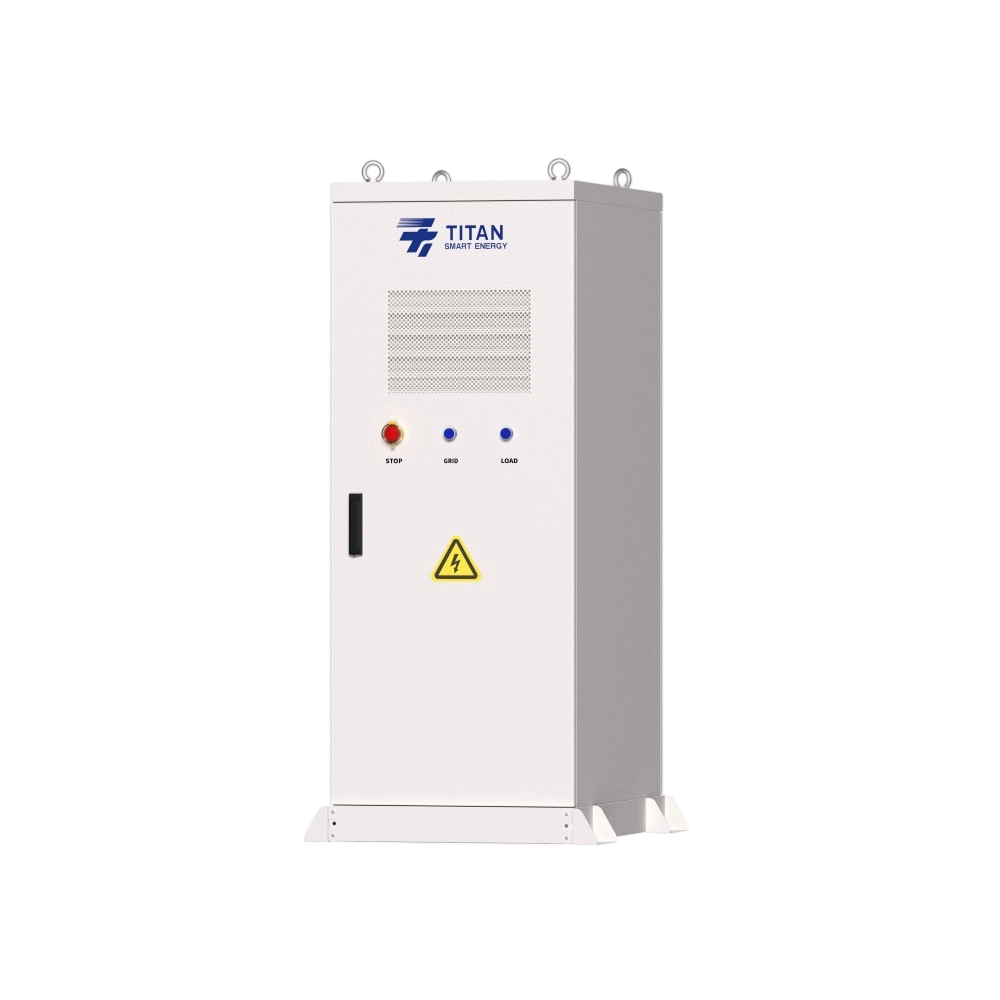
With Grid-Forming VSG (Virtual Synchronous Generator) technology, the energy storage system can provide voltage and frequency reference for the microgrid and support stable autonomous operation.
Depending on the system design, grid-forming capability can also support functions such as:
Autonomous microgrid operation
Black-start and power recovery capability
Improved tolerance to load fluctuations and motor-starting impact
Multi-unit coordination and load sharing
This is an important shift in the role of energy storage.
The battery is no longer just an energy container.
In the right microgrid architecture, it can become a core part of how the power system is established and stabilized.
One of the biggest mistakes in energy system design is trying to apply the same architecture to every site.
Different energy conditions require different operating strategies.
For sites with relatively stable utility power, a grid-tied microgrid can focus on:
Increasing PV self-consumption
Energy storage optimization
Peak shaving
Reducing electricity costs
The objective is primarily to improve how energy is used and reduce dependence on expensive grid electricity during high-cost periods.
For sites experiencing voltage fluctuations, short outages or frequent blackouts, the priority changes.
The system may require a grid-islanded architecture that combines:
PV
Energy storage
Grid power
Backup generation where required
Depending on the reliability requirements of the load and the system configuration, seamless or non-seamless switching strategies may be used.
For critical loads that cannot tolerate interruptions, faster grid-island switching can become an important part of the system design.
Remote islands, mines and other locations without reliable utility access face a different challenge entirely.
In these scenarios, the system may rely on coordinated operation between:
PV
Energy storage
Diesel generation
The objective is not simply to reduce electricity costs.
It is to maintain a stable and autonomous power supply.
This is why there is no universal microgrid configuration.
The local grid condition, load characteristics, reliability requirements and available energy resources should determine the system architecture.
Intelligent operation is not only about deciding where energy should flow.
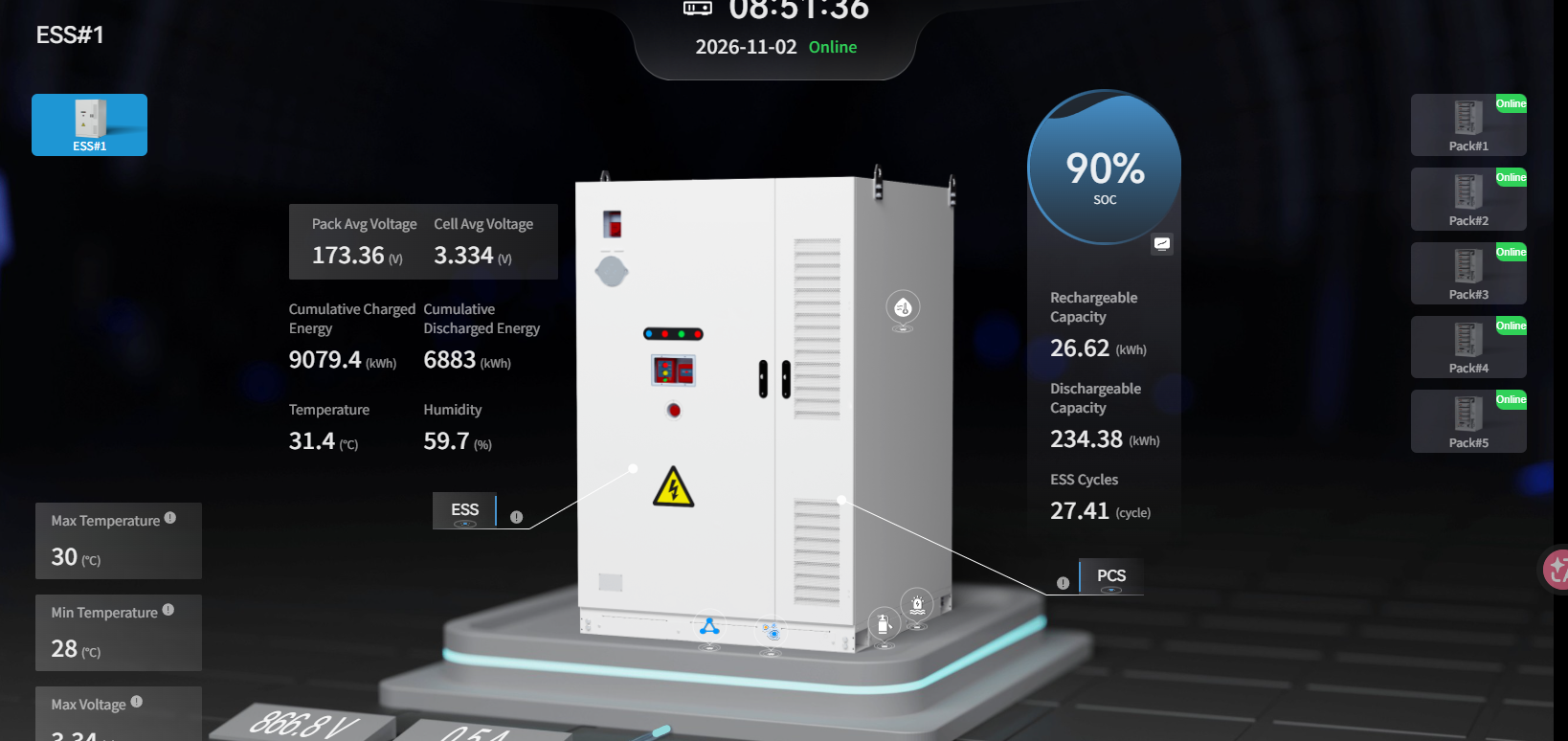
It also requires visibility into the condition of the assets operating within the system.
For energy storage, State of Charge alone does not provide a complete picture.
Long-term operation may also require monitoring of:
Battery pack operating conditions
Cell-level status
Temperature
State of Health
Cycle information
Remaining-life indicators
Potential abnormal operating trends
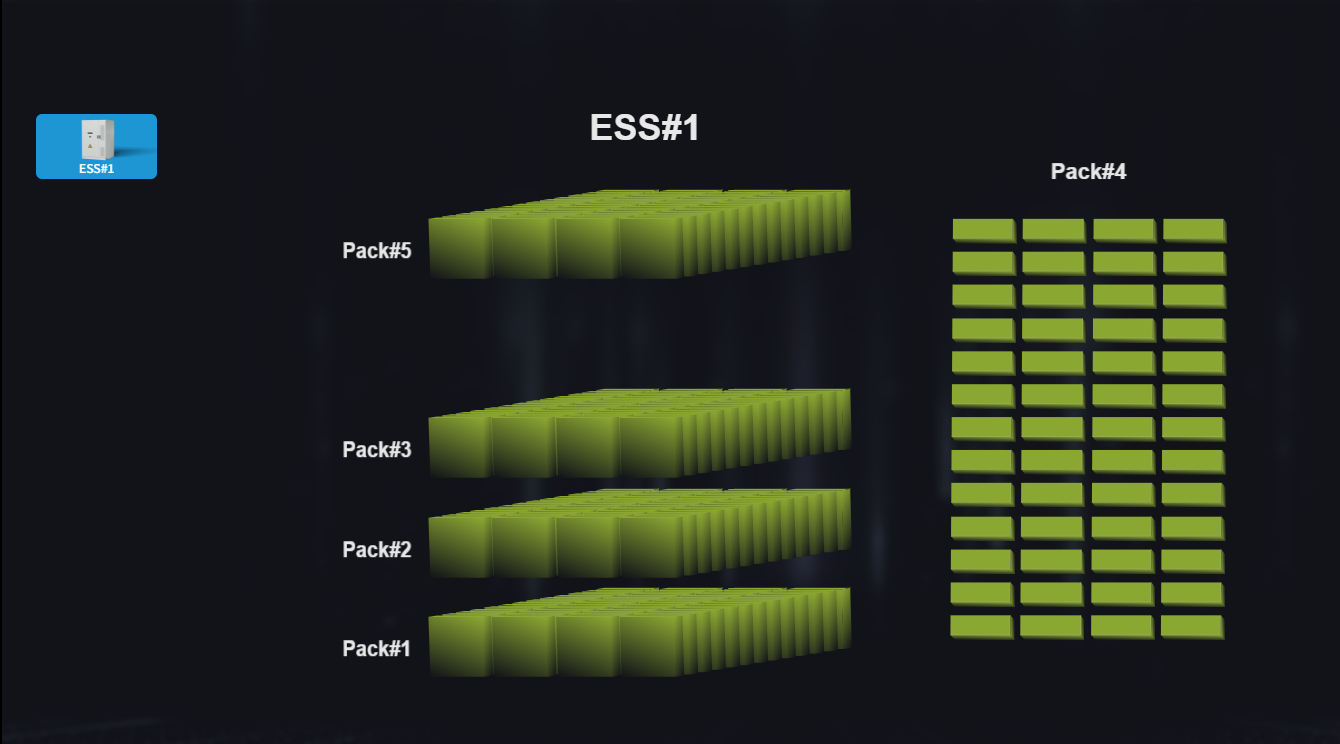
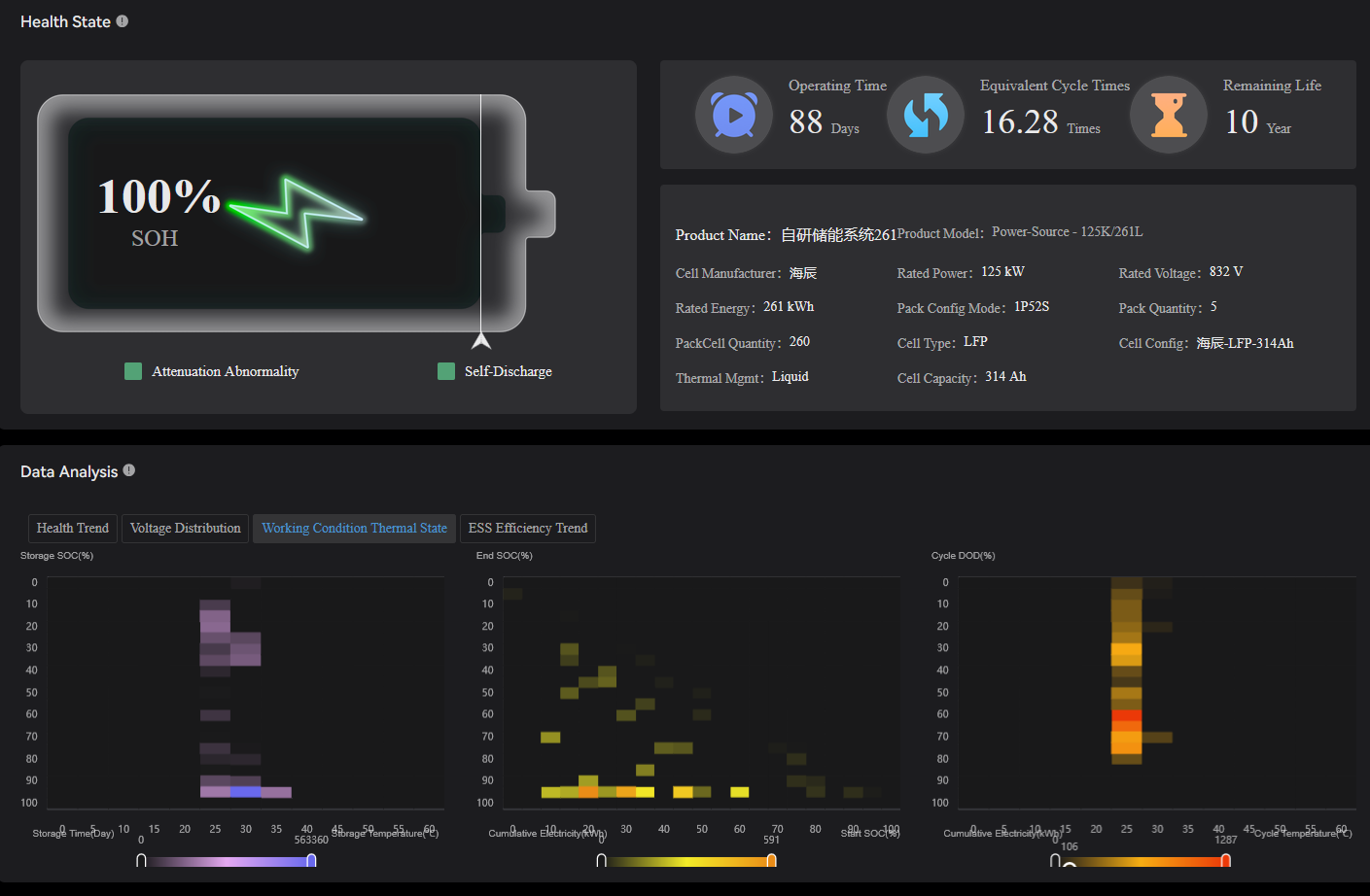
This allows energy management to move beyond simple equipment monitoring.
The objective is not only to understand what is happening at a specific moment.
It is also to better understand how critical assets are performing over time.
For long-life energy infrastructure, that distinction matters.
Energy autonomy is not simply about how many pieces of equipment a site installs.
It is about how effectively those assets work together.
PV generates energy.
Energy storage shifts and supports energy.
The utility grid provides external power when available.
Diesel generation can provide backup or support in appropriate scenarios.
But without coordination, these assets remain individual pieces of equipment.
A microgrid brings them together through system architecture, real-time monitoring and coordinated control.
At TITAN SMART ENERGY, this is how we approach smart microgrid design: not as a collection of individual devices, but as an integrated system combining energy hardware, local control and intelligent energy management.
The future of energy infrastructure is not simply about installing more solar capacity or more battery storage.
It is about connecting energy assets more effectively, understanding system conditions more clearly and coordinating multiple energy sources more intelligently.
Stacking hardware doesn't create a microgrid.
Intelligent coordination does.